
The regular price is the current manufacturer's recommended price! FREE shipping for orders over EUR 41,67 within CZ+SK
(PPLparcel)
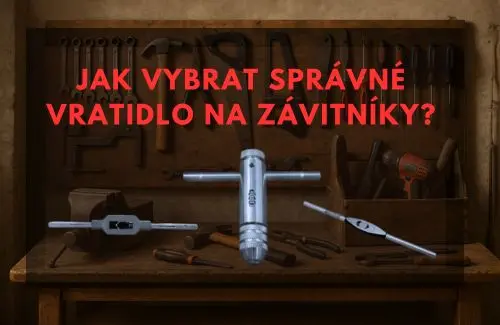
Thread production is a common operation in workshops and industry. To ensure the thread is high-quality, precise, and without risk of tool damage, it is necessary to choose not only a suitable tap but also the right tap wrench. This tool is used to hold and rotate the tap, or other tools such as reamers or dies. When selecting one, it is important to know what to focus on.
**Types of tap wrenches**
1. Manual tap wrench
a classic choice for home workshops and smaller operations
consists of a handle and a clamping part
ensures even movement of the tap during threading
advantages: low cost, simplicity, easy portability
disadvantages: physically demanding, lower precision and slower work for larger volumes
2. Automatic (machine) tap wrench
uses motor-driven power (part of CNC machines or other equipment)
advantages: speed, precision, repeatability, suitable for mass production
disadvantages: higher purchase cost, more complex maintenance, and need for power supply
**What to focus on when choosing a tap wrench**
Size
must match the diameter and square drive of the tap
a wrench that is too small will not hold the tap, while one that is too large cannot ensure precision
Material quality
steel is recommended (durable and strong), aluminum for lighter versions
high-quality material reduces the risk of deformation and extends service life
Comfort of use
ergonomically shaped handle makes operation easier
longer arms provide greater leverage and reduce effort
Special features
ratcheting tap wrenches: allow easier work in confined spaces and speed up the process
adjustable tap wrenches: more versatile use for multiple tap sizes
**Practical tips**
For occasional workshop use, a standard manual tap wrench is sufficient.
If you often cut threads in hard-to-reach places, consider a ratcheting tap wrench.
For mass production, an automatic tap wrench with precise adjustment is best.
Always ensure proper lubrication of the tap during work – this extends tool life and improves thread quality.
**Summary**
The right tap wrench is essential for precise and safe work. When choosing one, focus on size, material quality, and type of use. For a home workshop, a simple manual tap wrench is usually sufficient, while in professional production it is worth investing in machine and automated solutions.
We have selected more articles for you: